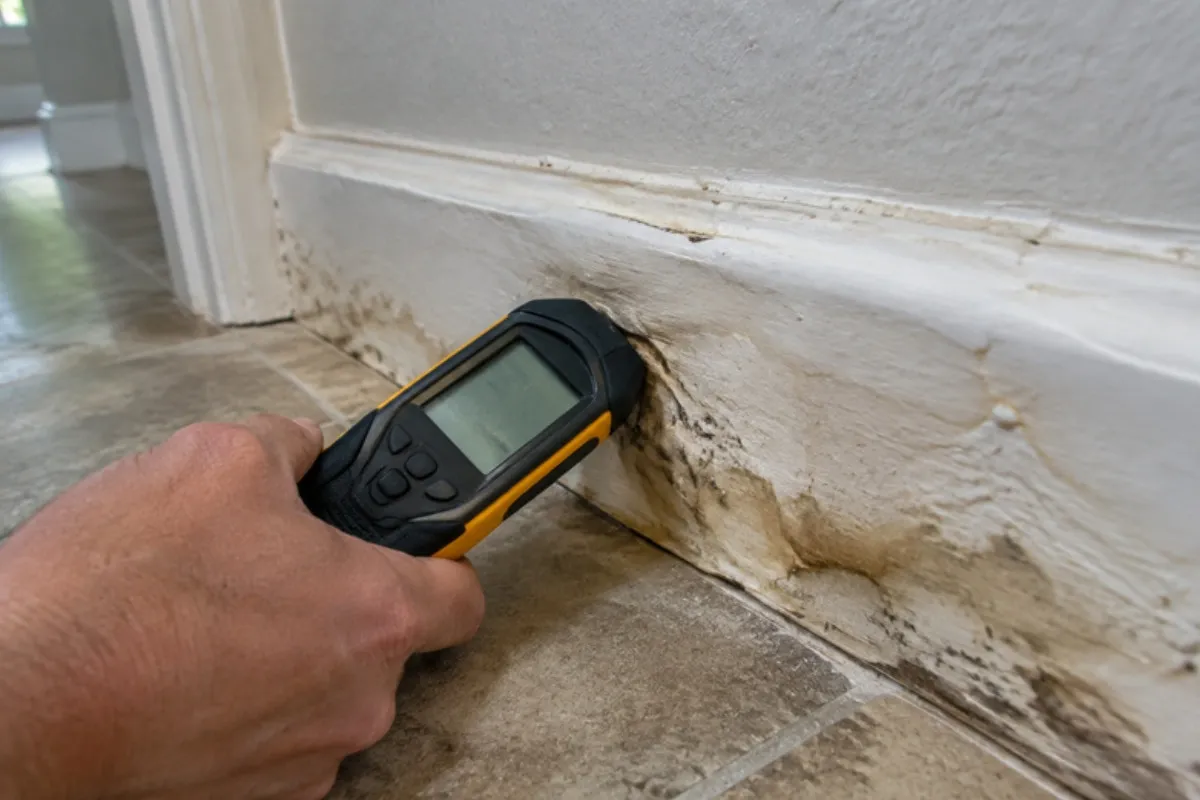
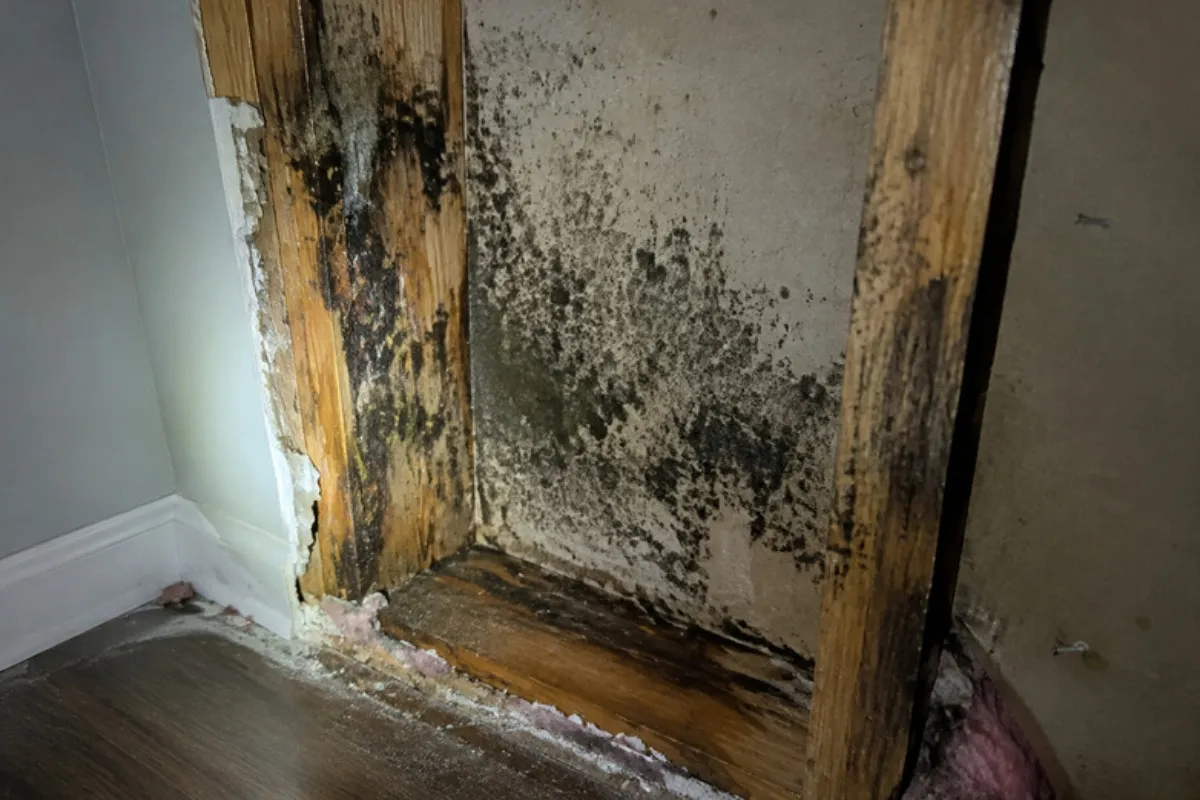
When a Baytown wall smells musty, stains from the bottom up or feels soft, the cavity behind it has usually stayed wet from a leak, wind-driven rain or past flooding. The usual fix is to stop the water, open the wall, remove the damaged drywall and insulation, and clean and dry the studs. Call the number on this page to be connected with a local mold remediation company in Baytown.
What happens when you call
You explain which wall is affected, what you have seen and when the water problem began, and you are connected with an independent company serving Baytown. Expect questions about recent storms, plumbing in that wall and whether the AC closet or attic unit has leaked. If the area is small and clearly from one leak, the company may tell you it is something you can handle. For larger or hidden growth, Texas splits the job between two businesses: a mold assessment consultant who holds a TDLR license inspects, takes moisture readings and writes the protocol, and a separate remediation company does the removal.
What moves the price
- How many linear feet of drywall have to be cut out and how high
- Whether insulation, cabinets or tile have to come off with it
- Containment needed to keep dust out of the rest of the house
- The consultant's separate fee for the protocol and clearance check
- Rebuilding, painting and trim, which may not be in the mold quote
Angi's Houston cost data puts the average mold removal job at $2,016, with most between $863 and $3,329. One stained wall in a closet and a whole first floor opened after a storm are very different jobs.
Baytown conditions behind the walls
Baytown is a city of about 84,000 on the north side of the Galveston Bay complex, about 29 miles from downtown Houston, with Galveston Bay to the south and west, Cedar Bayou to the east, and Goose Creek and the Houston Ship Channel nearby. Flat ground makes flooding a recurring problem, and groundwater pumping caused severe subsidence in low areas such as the old Brownwood subdivision. The city counts Carla, Alicia, Ike and Harvey as its four most damaging storms. Walls that took water in any of them, or that see repeated wind-driven rain, are where hidden growth tends to show up. Rebuilding needs a permit from the City of Baytown Building Services Division, and work in mapped flood hazard areas also gets floodplain review, with substantial improvements held to the city's elevation rules.
Before anyone opens the wall
- Shut off the water feeding the leak if you can find it
- Photograph the stain, the baseboard and any flooring damage
- Do not sand, scrape or bleach the drywall
- Keep the room closed off and run a dehumidifier if it is safe
- Renters: tell the landlord in writing and keep a copy
Mold in Walls & Drywall questions in Baytown
Why are two companies involved when mold is inside a wall?
Do I need a permit to put the walls back?
My landlord has not fixed the leak behind a moldy wall. What can I do?
Can wet insulation and studs be saved?
More mold services in Baytown
Mold in Walls & Drywall nearby
Sources
- EPA: Mold Cleanup in Your Home
- TDLR: Mold Assessors and Remediators FAQs
- TDLR: Consumer Mold Information Sheet (pdf)
- Angi: How much do mold removal services typically cost? (Houston, TX)
- Tex. Prop. Code 92.052: Landlord's Duty to Repair or Remedy
- Wikipedia: Baytown, Texas
- City of Baytown: Permit Floodplain Information (pdf)
- City of Baytown: Building Services
Last updated: