Mold testing is worth paying for when you smell mold or have had water damage but can't find growth, or when you need a baseline before work starts. If you can already see mold, EPA says sampling is usually unnecessary, and the money is better spent finding the moisture source. Call the number on this page to be connected with a local mold inspector or remediation company in Houston.
Start with the question you want answered
A lab report is only useful if it answers something specific. Before you book, write down what you are trying to learn. Good reasons to test in Houston include:
- A persistent musty smell, often strongest when the AC kicks on, with nothing visible on walls or ceilings.
- A leak or storm intrusion you dried late, where you suspect growth inside a wall cavity or under flooring.
- Comparing indoor air to outdoor air so you know whether indoor spore levels look unusual.
- Documenting conditions before a remediation project, so the clearance check later has something to compare against.
If there is a dark patch spreading across the drywall under a bathroom window, you don't need a lab to confirm it. You need the water source found and the material dealt with.
What the sampling looks like
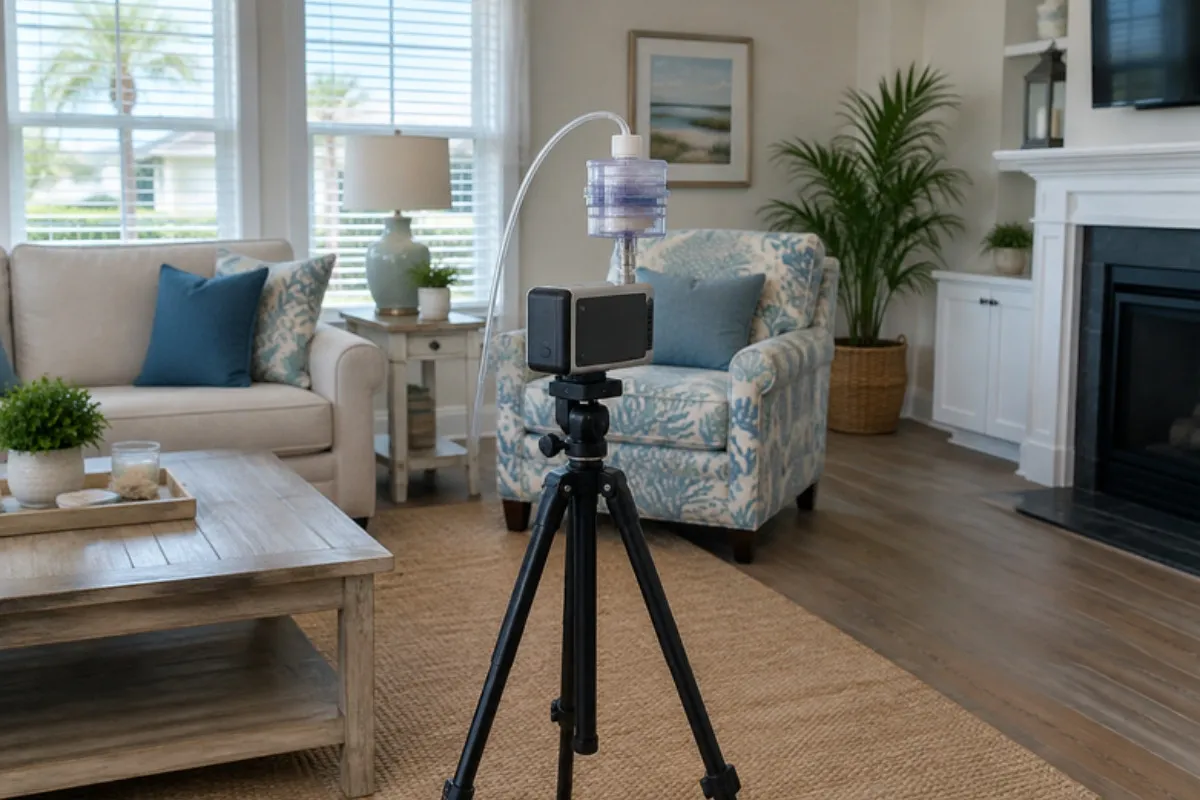
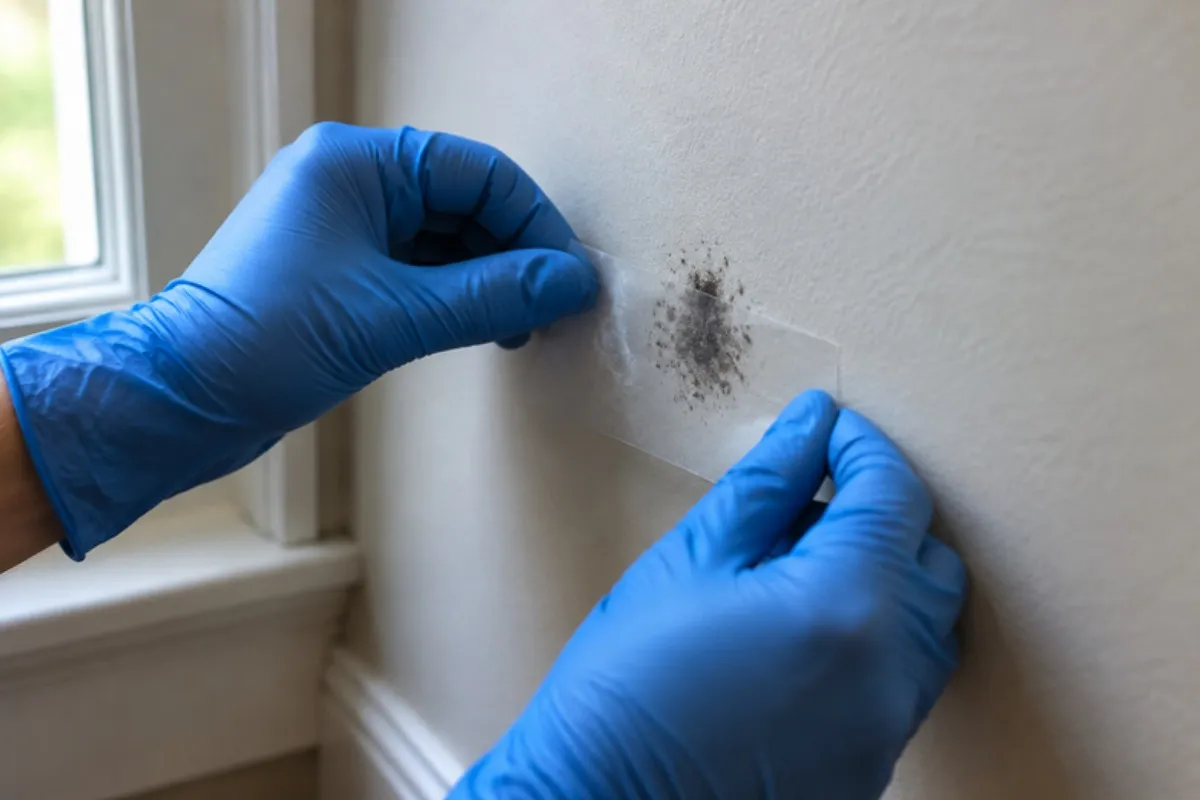
Expect the assessor to walk the house first, use a moisture meter, and look at the air handler, drain pan and supply registers, since Houston's long cooling season keeps that equipment damp for months. Then come the samples. Air samples pull a measured volume of air through a cassette, usually with one taken outdoors for comparison. Swab or tape samples lift material from a surface to identify what is growing there. Some assessors add a sample at the HVAC system. Ask how many samples are planned and why each one is needed.
Reading the results honestly
There are no EPA or federal limits for mold or mold spores, so no report can declare a number "safe" or "unsafe." What results can do is show whether indoor counts are well above outdoor counts or whether a particular type is concentrated in one room. The color of a mold says nothing reliable about how risky it is. If anyone in the house has asthma or a weakened immune system, keep them away from moldy areas and talk to a health professional about any health concerns.
Who can test, and what it costs
You may take samples in your own home without a state license. Anyone you hire to test must hold a TDLR mold assessment license, and you can check the name on TDLR's license search. The Houston Health Department does not test homes for mold; it refers those requests to TDLR. One more Texas rule matters: if testing leads to a remediation project, the company that writes the protocol cannot also do the removal on that project.
| Figure | Range | Scope |
|---|---|---|
| Inspection and testing, typical | $355-$563 (average $453) | Angi's Houston cost data |
| Air test | $250-$350, up to $700 if extensive | Angi national figures |
| Surface (swab) test | $200-$300 | Angi national figures |
| HVAC sample added to an air test | $50-$75 | Angi national figures |
Price moves with house size, the number of samples, lab turnaround and how hard spaces like the attic are to reach.
Mold Testing questions from Houston homeowners
Should I buy a home mold test kit?
Can the company that tests my house also remove the mold?
What number on a lab report means my house is safe?
Will the city test my apartment for mold?
Related mold services in Houston
Helpful guides
Mold Testing in nearby cities and towns
Harris County
Fort Bend County
Montgomery County
Brazoria County
Galveston County
Liberty County
Sources
- EPA: Mold Information Slideshow (testing and sampling)
- EPA: A Brief Guide to Mold, Moisture and Your Home
- TDLR: Mold Assessors and Remediators FAQs
- TDLR: License Search
- Houston Health Department: Indoor Air Quality
- Angi: Mold inspection and testing cost in Houston, TX
- Angi: How Much Does a Mold Inspection Cost?
Last updated: