Post-flood mold removal in Splendora sorts what can be cleaned from what has to go, then removes the soaked materials under containment and proves the area is clear. A mold assessment consultant writes the protocol and a separate company that holds a TDLR mold remediation contractor license does the removal. Call the number on this page to be connected with a local mold remediation company in Splendora.
Local conditions
Splendora is a small Montgomery County city of about 1,700 people, roughly 35 miles from Houston, that grew around a railroad spur; most residents live in rural areas. The East Fork of the San Jacinto River runs nearby. During Harvey, its floodwaters swamped mobile homes along East River Road just outside Splendora on the Liberty County side, knocking some off their foundations, and one resident said the water rose about four feet in an hour. When water arrives that fast, there is no time to move belongings, and the house sits wet for days afterward in humid air.
Inside city limits, the City of Splendora Building Department issues permits from City Hall after plan approval, and third-party inspectors from Bureau Veritas handle building inspections under the 2012 International Residential Code.
Clean and keep, or remove and replace
| Material | Usual outcome after floodwater |
|---|---|
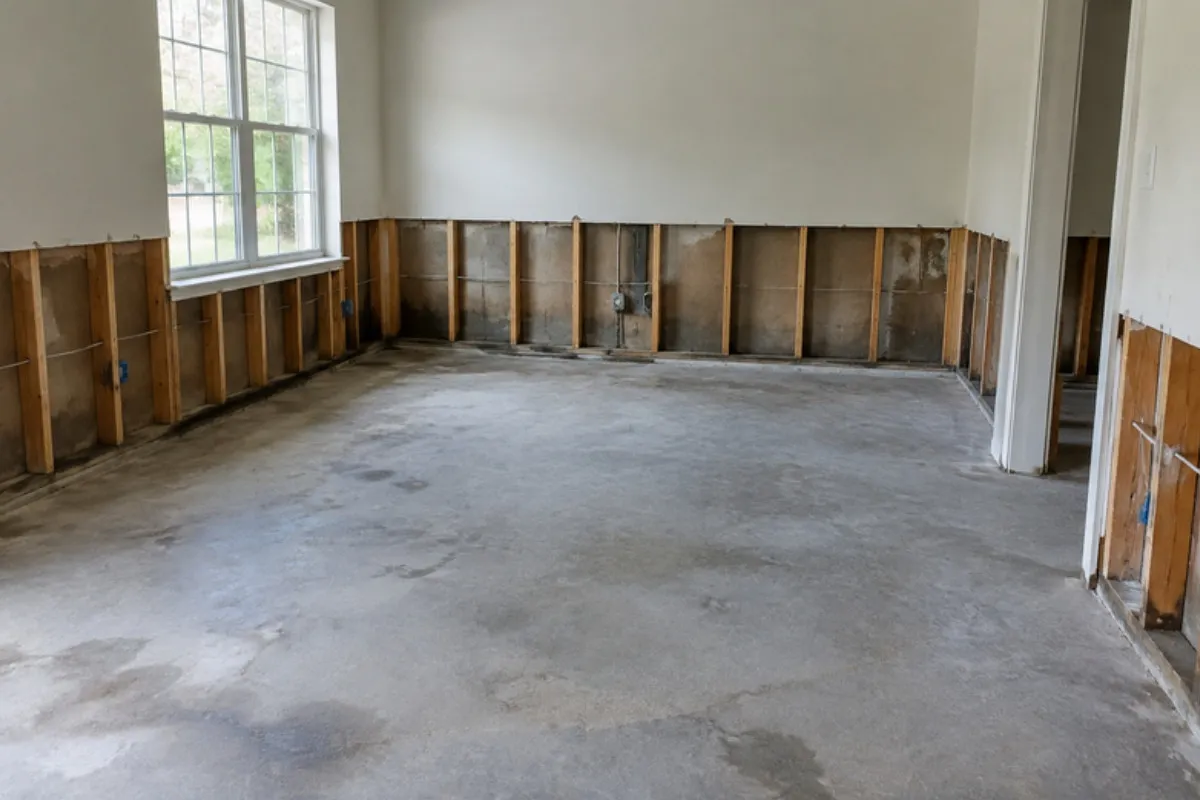
| Drywall and insulation that got wet | Removed, often cut above the waterline |
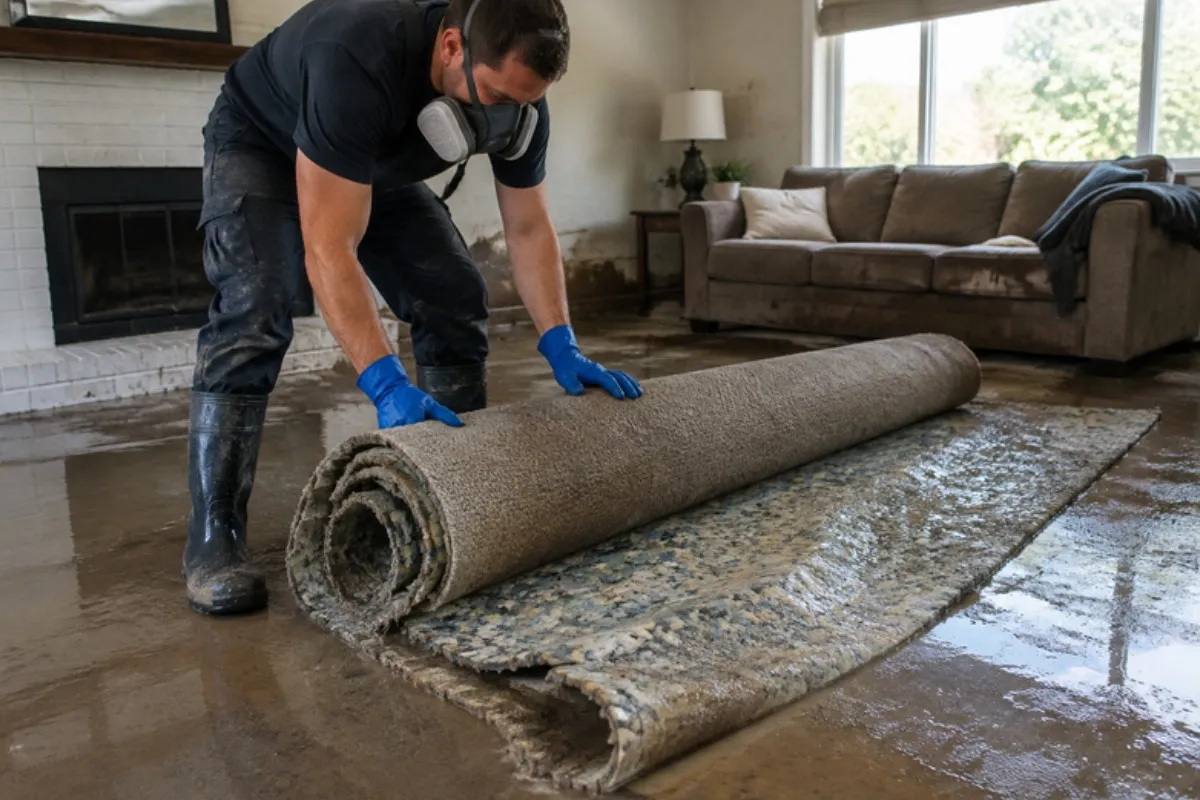
| Carpet and padding | Discarded in most cases |
| Wood studs and bottom plates | Cleaned and dried in place if sound |
| Pressed-wood cabinets and trim | Usually replaced once swollen |
| Tile, metal, concrete slab | Cleaned and dried |
| Ductwork that took water | Assessed; lined or flex duct often replaced |
EPA says porous materials may have to be thrown away once moldy and not to paint or caulk over growth. The consultant's protocol makes the final call for each room.
Signs to watch for
- A sour, musty smell after the floors look dry
- Spotting at the base of walls and on the backs of furniture
- Soft or sagging floors, especially in raised or manufactured homes
- Growth on ceiling registers once the AC is restarted
Timing
EPA's disaster guidance says that a home not dried within 24 to 48 hours should be assumed to have mold. Late summer and early fall, when tropical systems are most likely, are also the hottest, most humid weeks of the year, so growth moves quickly. After a regional flood, companies get busy; getting on a list early, drying in the meantime and keeping photos helps. Projects of 25 contiguous square feet or more also need a five-day TDLR notice before work starts.
Post-Flood Mold Removal questions in Splendora
Which flood-soaked materials can be saved?
What should I photograph before flood debris goes to the curb?
Can I pull out soaked drywall and carpet myself in Splendora?
Does TDLR have to be told before a flood mold job begins?
More mold services in Splendora
Post-Flood Mold Removal nearby
Sources
- EPA: Homeowner's and Renter's Guide to Mold Cleanup After Disasters (pdf)
- EPA: Mold Cleanup in Your Home
- TDLR: Mold Assessors and Remediators FAQs
- TDLR: Texas Mold Remediation Notification Requirements
- Wikipedia: Splendora, Texas
- ABC13: First-hand look at storm damage near Splendora
- City of Splendora: Residential and commercial building requirements (pdf)
Last updated: