In Richmond, mold testing usually comes up in homes that took river water or that smell musty with no visible cause. A mold assessor samples the air or specific surfaces and compares them, which helps decide whether walls need to be opened. Call the number on this page to be connected with a local mold inspector in Richmond.
We flooded in 2016 and again in Harvey. Can a test tell us if the walls are clean?
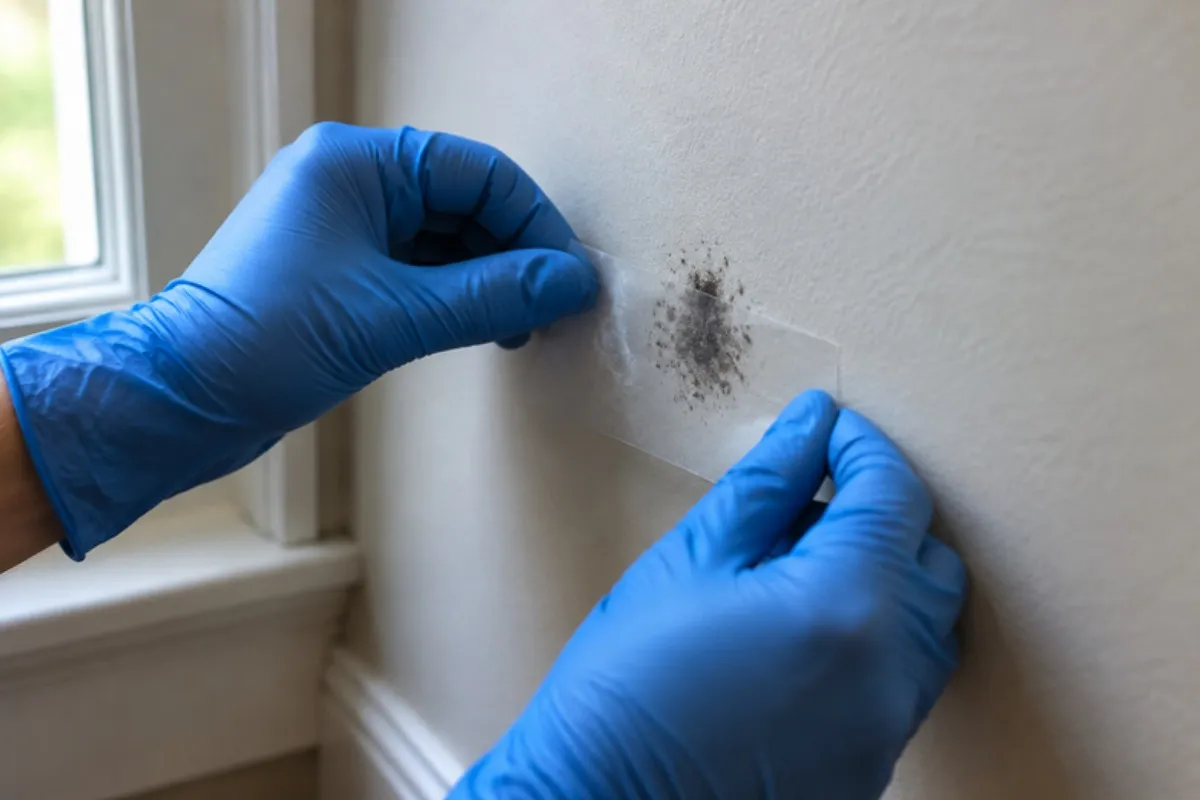
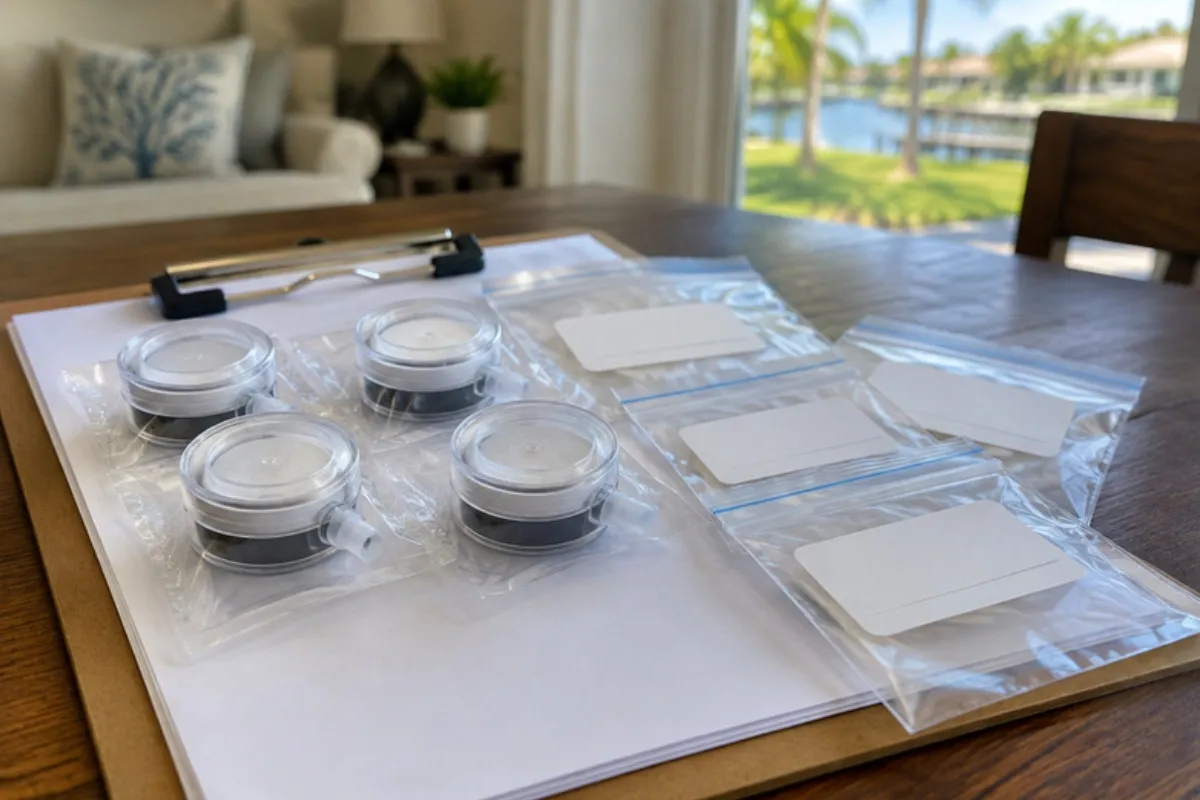
It can help, as part of a bigger look. The Memorial Day 2016 flood pushed the Brazos to 54.37 feet at Richmond, more than a foot and a half above the old record, and Harvey damaged about 200 Richmond homes the following year. The Edgewood subdivision off Hwy. 90 flooded both times. In a house with that history, an assessor starts with moisture readings along the lower walls and at cabinet bases, then decides where samples belong. An air sample from a closed-up room compared with one taken outdoors can show whether something is releasing spores inside. A swab from a suspicious stain identifies what is growing there. Neither replaces opening a cavity that reads wet.
What will the report actually say?
Expect spore counts by type for each air sample, plus the outdoor comparison, and a lab identification for any surface sample. You won't see a pass or fail line, because EPA and federal agencies have set no limits for mold or spores. A good assessor explains the numbers in plain terms alongside what the walk-through found, and tells you whether remediation looks necessary. The color of the mold on a report or a wall says nothing reliable about how risky it is.
Who should do the testing, and what follows?
Hire someone who holds a TDLR mold assessment license, and confirm it on TDLR's license search. If remediation is needed, that assessor writes the protocol, and Texas law sends the removal to a separate company. The same consultant returns for the post-remediation assessment. Angi's Houston cost data reports testing and inspection averaging $453, typically $355 to $563, so plan on that fee plus a second bill for any removal.
A Richmond note
Rebuilding after removal runs through the City of Richmond Building Department at 600 Morton Street, (281) 232-6871, using the MGO Connect portal; the department also runs residential rental registration. Renters with leaks a landlord hasn't fixed can contact Code Enforcement at (281) 342-0559. Fort Bend County Health & Human Services does not take mold complaints, so testing here is a private matter.
Mold Testing questions in Richmond
Is testing worth it after water got into the house?
What lab number means my home is safe?
Can the company that tests my home also remove the mold?
Can a renter in Richmond get mold testing done?
More mold services in Richmond
Mold Testing nearby
Helpful guides
Sources
- EPA: Mold Information Slideshow (testing and sampling)
- EPA: Homeowner's and Renter's Guide to Mold Cleanup After Disasters (pdf)
- TDLR: Mold Assessors and Remediators FAQs
- TDLR: License Search
- Angi: Compare Quotes from Mold Inspectors & Testing Services (Houston, TX)
- Fort Bend County Health & Human Services: Environmental Health service area
- Tex. Prop. Code 92.052: Landlord's Duty to Repair or Remedy
- Insurance Journal: Brazos River at Richmond sets record (2016)
- Community Impact: Post-Harvey, Brazos neighbors back to square one after 2016 floods
- City of Richmond: Building Department
- City of Richmond: Code Enforcement
Last updated: