In Richmond, clearance testing is how a mold assessment consultant confirms a remediation job met its protocol, often in homes that took Brazos River water in 2016 or during Harvey. A passed result comes before rebuilding, and the remediation contractor then owes you a Certificate of Mold Damage Remediation. Call the number on this page to be connected with a local mold inspector in Richmond.
Our house flooded in 2016 and again in Harvey. What does clearance prove this time?
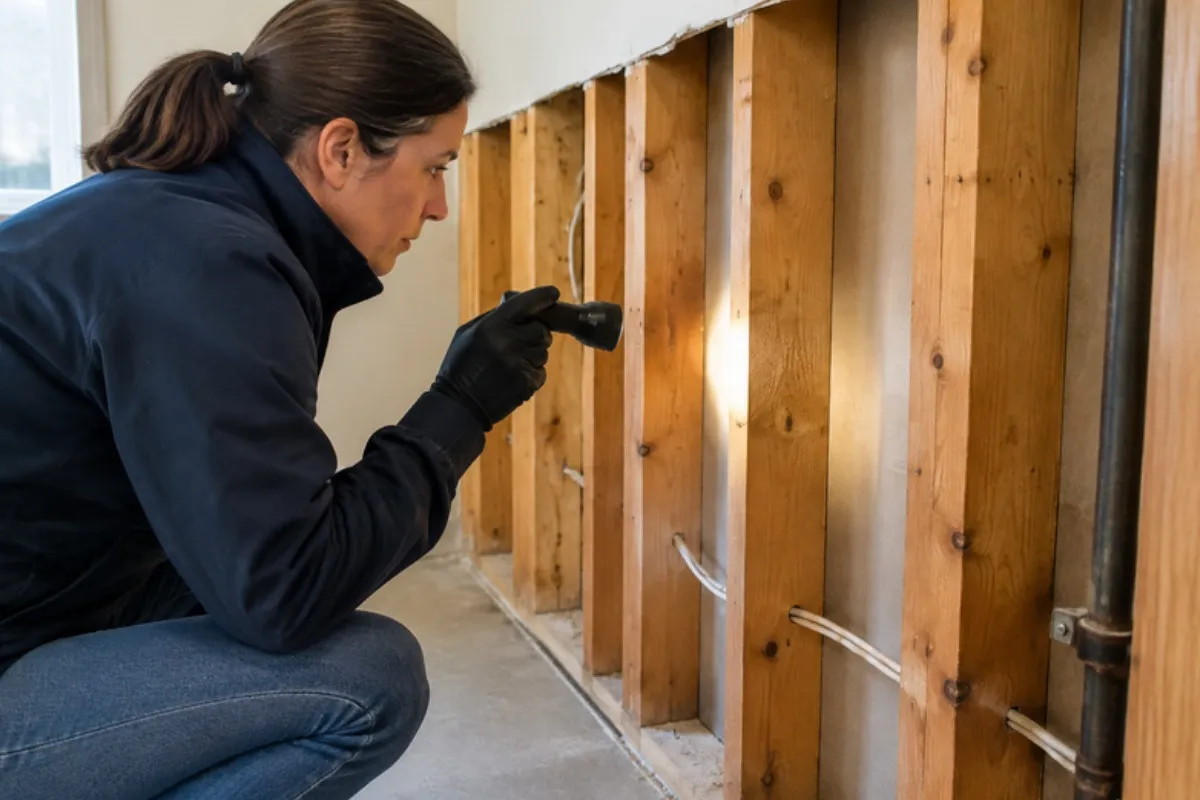
It proves the work area met the criteria the consultant wrote down before removal began, on the day of the check. The Brazos reached 54.37 feet at Richmond in the Memorial Day 2016 flood, more than a foot and a half above the old record, and Harvey damaged about 200 Richmond homes a year later. The Edgewood subdivision off Hwy. 90 flooded both times. In a house with two rounds of water, the consultant should be looking hard at bottom plates, stud bays and cabinet bases, and the protocol's clearance criteria should say how dry those materials must read. Passing does not stop the next flood; it confirms this cleanup was done to plan.
Who is allowed to sign off?
Only the mold assessment consultant who prepared the protocol before remediation. Texas law bars one company from both assessing and remediating the same project, so the removal contractor cannot clear its own work, and a new consultant brought in at the end cannot declare clearance either. Check every name on TDLR's license search before work starts. If the area fails, the contractor does more work and the consultant assesses again.
What do I keep, and what happens when I rebuild?
Keep the passed clearance report, then the before-and-after photos and the CMDR, which the remediation contractor must hand over within 10 days of the project stop date. The certificate is signed by both companies and, if the consultant finds the cause fixed, says so. For a home, it can help keep an insurer from making an adverse underwriting decision based on earlier mold damage. Rebuilding goes through the City of Richmond Building Department's Permit Office at the City Hall Annex on Morton Street, using the MGO Connect portal for permits and inspection requests.

A Richmond note
Richmond runs a residential rental property registration program through its Building Department, and its Code Enforcement Department handles property maintenance under city ordinances. Renters with a leak the landlord has not fixed can start there; the CMDR itself goes to the property owner. Fort Bend County Health & Human Services lists mold complaints among services it does not provide.
Post-Remediation Clearance Testing questions in Richmond
Can a flooded room pass clearance while the framing is still damp?
Do I have to give a buyer my clearance paperwork?
What happens if the area fails clearance?
I rent in Richmond. Can I see the clearance results?
More mold services in Richmond
Post-Remediation Clearance Testing nearby
Sources
- TDLR: Mold Assessors and Remediators FAQs
- TDLR: License Search
- 16 Tex. Admin. Code 78.150: Photographs; Certificate of Mold Damage Remediation; Duty of Property Owner
- Community Impact: Fort Bend County recuperates after Memorial Day weekend floods (2016)
- Community Impact: Post-Harvey, Brazos neighbors back to square one after 2016 floods
- Insurance Journal: Brazos River sets record at Richmond (2016)
- City of Richmond: Building Department
- City of Richmond: Code Enforcement
- Fort Bend County Health & Human Services: Environmental Health service area
- Tex. Prop. Code 92.052: Landlord's Duty to Repair or Remedy
Last updated: