Black mold in a Crosby home is treated like any indoor mold: the water source gets fixed and the growth comes out, regardless of its color. Small surface patches are often a homeowner job, while larger or hidden growth in Texas involves a mold assessor and a separate remediation company. Call the number on this page to be connected with a local mold remediation company in Crosby.
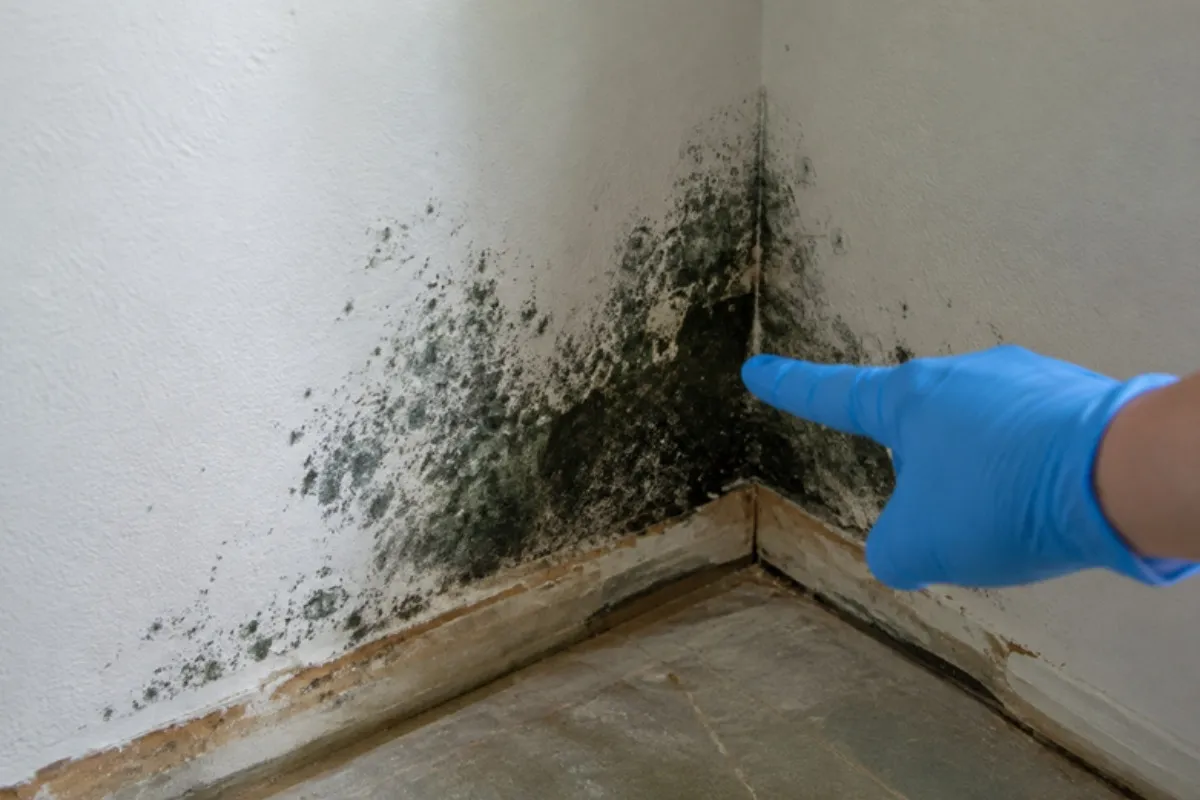
Is the black mold in my Crosby house the dangerous kind?
There is no way to tell by looking, and the answer would not change what needs to happen. Plenty of ordinary molds are dark green or black. EPA's advice covers all indoor growth: mold can irritate the eyes, skin, nose, throat and lungs, and people with asthma or weakened immune systems should stay away from moldy areas. Anyone with health concerns should talk to a health professional. For the house itself, what matters is how large the patch is, whether it is on porous material like drywall or carpet, and whether the moisture behind it has stopped.
Why did it show up here, and where else should I look?
Crosby is a small unincorporated community in east Harris County, about 25 miles from downtown Houston, that grew up as a railroad shipping point. Heavy rain is the usual trigger. In the October 2015 storm, the Harris County Flood Control District measured about 13 inches of rain, and businesses at a Crosby shopping center had more than four inches of water on their floors. Homes that take water in storms like that can grow mold behind baseboards and under flooring without much sign on the surface. Also check:
- The ceiling beneath the attic air handler and around supply vents
- Walls behind the washer, water heater and kitchen sink
- Closets on exterior walls where air barely moves
- Window sills on the side that faces driving rain
Who actually removes it, and in what order?
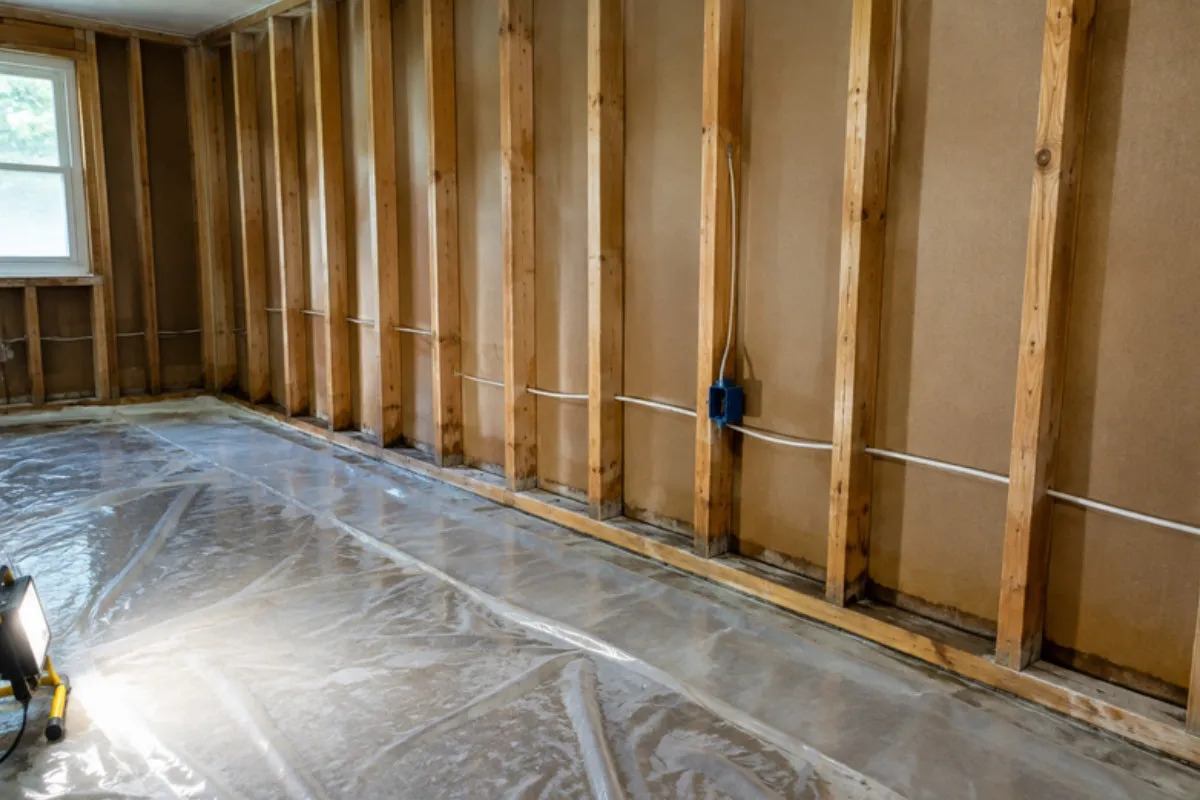
For anything beyond a small surface patch, Texas law splits the job. A mold assessment consultant who holds a TDLR license inspects and writes a protocol at least a day before work starts. A separate company holding a TDLR mold remediation contractor license sets up containment, removes the damaged drywall, insulation or carpet, and cleans the framing. The consultant then returns for a post-remediation assessment, and after a pass you get a Certificate of Mold Damage Remediation within 10 days. Angi's Houston cost data reports most removal jobs running between $863 and $3,329, before the consultant's fee.
A note on rebuilding in Crosby
Because Crosby is unincorporated, putting walls back after removal is development under Harris County rules, and the Office of the County Engineer issues the permit. Projects in the 100-year floodplain need drawings sealed by a Texas architect or engineer. Plan the rebuild only after clearance, so new drywall does not go over wet framing.
Black Mold Removal questions in Crosby
Who should stay away from the moldy area until it is removed?
Why does black mold keep coming back in the same spot?
How do I check a removal company before I hire it?
Why did black mold appear weeks after the water was gone?
More mold services in Crosby
Black Mold Removal nearby
Sources
- EPA: Mold Cleanup in Your Home
- EPA: A Brief Guide to Mold, Moisture and Your Home
- EPA: Homeowner's and Renter's Guide to Mold Cleanup After Disasters (pdf)
- TDLR: Mold Assessors and Remediators FAQs
- TDLR: License Search
- 16 Tex. Admin. Code 78.150: Photographs; Certificate of Mold Damage Remediation; Duty of Property Owner
- Angi: How much do mold removal services typically cost? (Houston, TX)
- Harris County Office of the County Engineer: Permits FAQ
- Star-Courier: Tornado hits Highlands, flooding in Crosby
- Wikipedia: Crosby, Texas
Last updated: