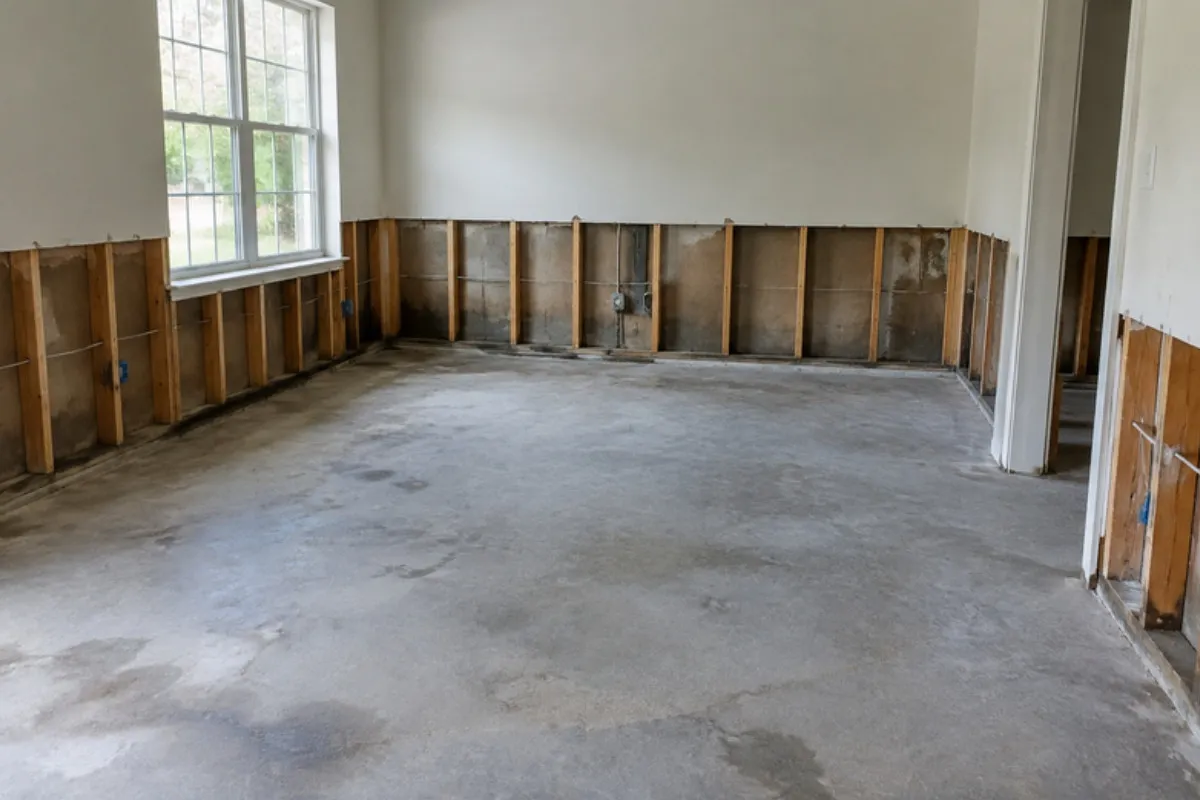
For a Highlands home that took water when the San Jacinto River rose, mold removal comes after drying and focuses on the drywall, insulation and flooring that stayed wet. A mold assessment consultant writes the scope, and a different company that holds a TDLR mold remediation contractor license removes the damage. Call the number on this page to be connected with a local mold remediation company in Highlands.
The river and Highlands homes
Highlands is an unincorporated community in industrial east Harris County, about 24 miles from downtown Houston, on the higher east bank of the San Jacinto River near the Houston Ship Channel. It began as an early-1900s rail stop and grew during World War II, when it housed military members and war-plant workers. Higher ground does not protect every street. In an October 2015 storm, an EF-0 tornado closed FM 2100 while the San Jacinto rose about six feet above normal and flooded some homes near the river. Homes off Main Street, East Wallisville Road or near the Lynchburg Ferry each have their own drainage story, so the house itself tells you more than the map.
Clean it or cut it out
| Material | After river or storm water | Why |
|---|---|---|
| Drywall below and just above the waterline | Cut out and replaced | Paper facing and gypsum hold water and feed mold |
| Batt insulation, carpet and pad | Removed | EPA notes porous items may have to be thrown away if moldy |
| Studs, plates, solid wood subfloor | Cleaned and dried | Kept when sound; rot changes the plan |
| Tile, metal, sealed concrete | Cleaned in place | Nonporous surfaces do not absorb growth |
| Particleboard cabinets | Often replaced | Swells and rarely dries back to shape |
The mold assessment consultant's protocol sets the exact quantities, and the remediator must follow it.
Signs the house needs more than drying
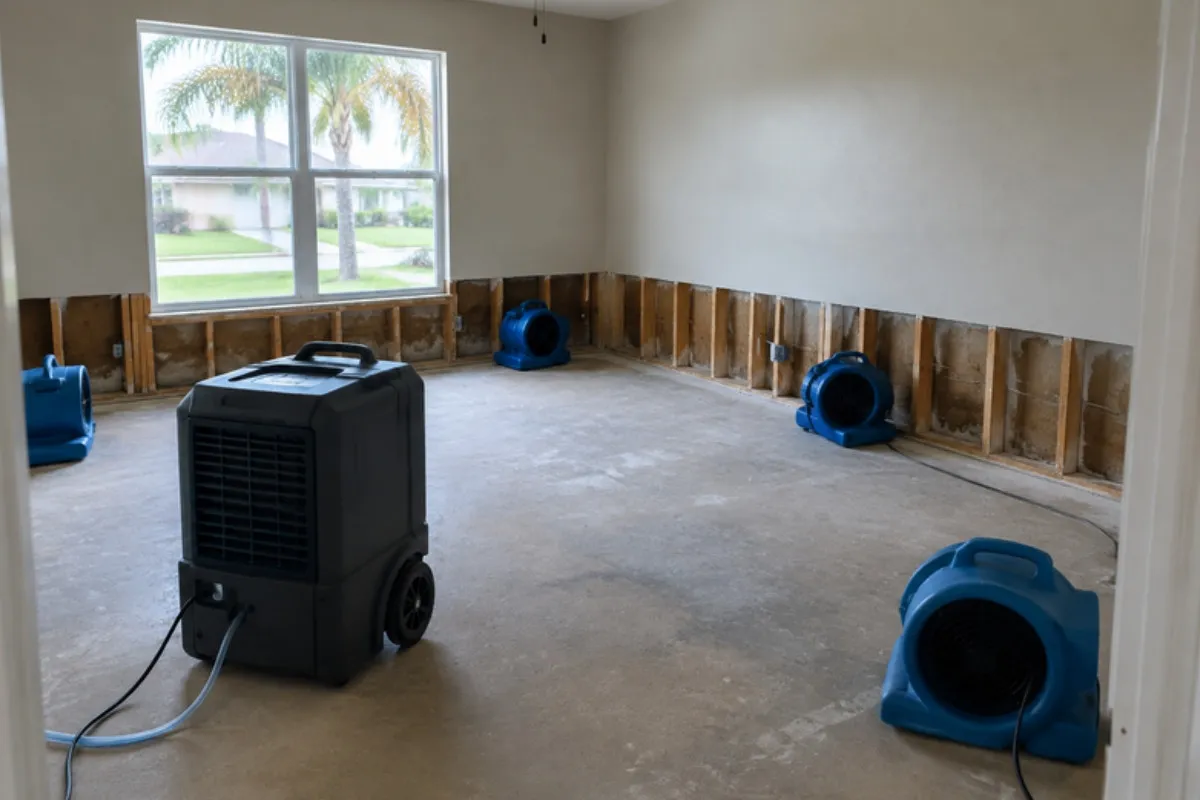
- Fans and dehumidifiers have run for days, but the smell is still there
- Spots are spreading on lower walls or door casings
- Vinyl or laminate flooring is curling at the seams
- Closets and stored clothing in flooded rooms smell of mildew
Timing
EPA's disaster guide says to assume mold growth if a flooded home could not be dried within 24 to 48 hours. Start drying as soon as it is safe, photograph everything, and keep children out of the cleanup. The consultant's protocol comes at least a day before removal, and jobs of 25 contiguous square feet or more are reported to TDLR five days before they start. Rebuilding needs a permit from the Harris County Office of the County Engineer, and 100-year floodplain work needs drawings sealed by a Texas architect or engineer.
Post-Flood Mold Removal questions in Highlands
Can I pull out wet drywall and carpet myself?
How do I find out whether my home is in a flood zone?
Who should stay away from flood cleanup?
What paperwork should I get when the job is finished?
More mold services in Highlands
Post-Flood Mold Removal nearby
Sources
- EPA: Homeowner's and Renter's Guide to Mold Cleanup After Disasters (pdf)
- EPA: Mold Cleanup in Your Home
- TDLR: Mold Assessors and Remediators FAQs
- TDLR: Texas Mold Remediation Notification Requirements
- 16 Tex. Admin. Code 78.150: Photographs; Certificate of Mold Damage Remediation; Duty of Property Owner
- Harris County Office of the County Engineer: Permits FAQ
- Harris County Flood Education Tool
- Harris County Public Health: Climate and Health Resources
- Star-Courier: Tornado hits Highlands, flooding in Crosby
- Wikipedia: Highlands, Texas
Last updated: