In Texas, a mold remediation project ends with a post-remediation assessment by the mold assessment consultant who wrote the protocol, not by the company that did the removal. If the area passes, you get a clearance report, and the remediation contractor then owes you a Certificate of Mold Damage Remediation. Call the number on this page to be connected with a local mold inspector or remediation company in Houston.
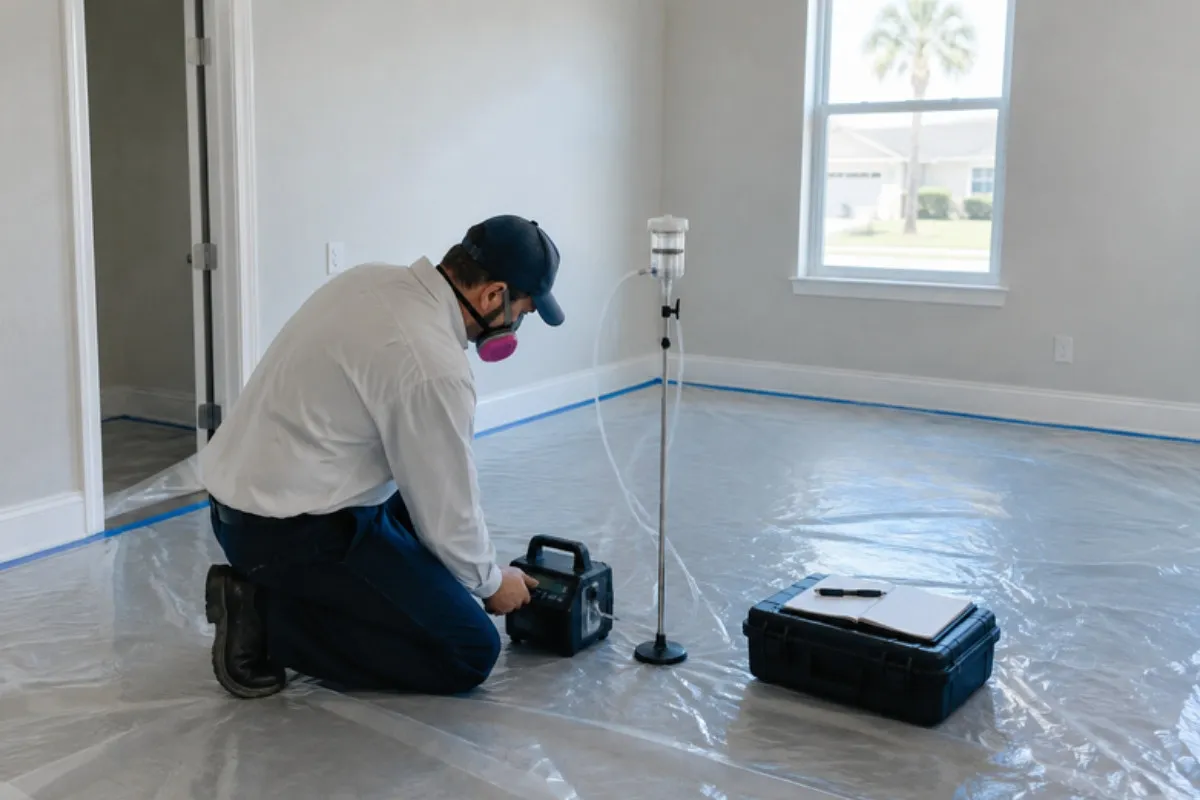
Clearance is planned before the work starts
The biggest mistake Houston homeowners make with clearance is thinking about it last. Under TDLR rules, a consultant who did not prepare the protocol before remediation cannot declare clearance afterward. So the same mold assessment consultant should be on the job from start to finish:
- The consultant writes a protocol listing the affected areas, how much material comes out, containment, protective equipment, methods and the clearance criteria. You get it at least one calendar day before remediation starts.
- The remediation contractor, a separate company, writes a work plan that follows the protocol.
- The contractor does the work inside containment.
- The consultant returns for the post-remediation assessment.
What the consultant checks on the return visit
The assessment is more than a single air sample. The consultant confirms there is no visible mold or wood rot in the work area, that the work followed the protocol, and that the clearance criteria written into that protocol were met. Those criteria can include visual standards, moisture readings and sampling. Ask before the job begins what the criteria are, so you know what "pass" means for your house.
If the area fails
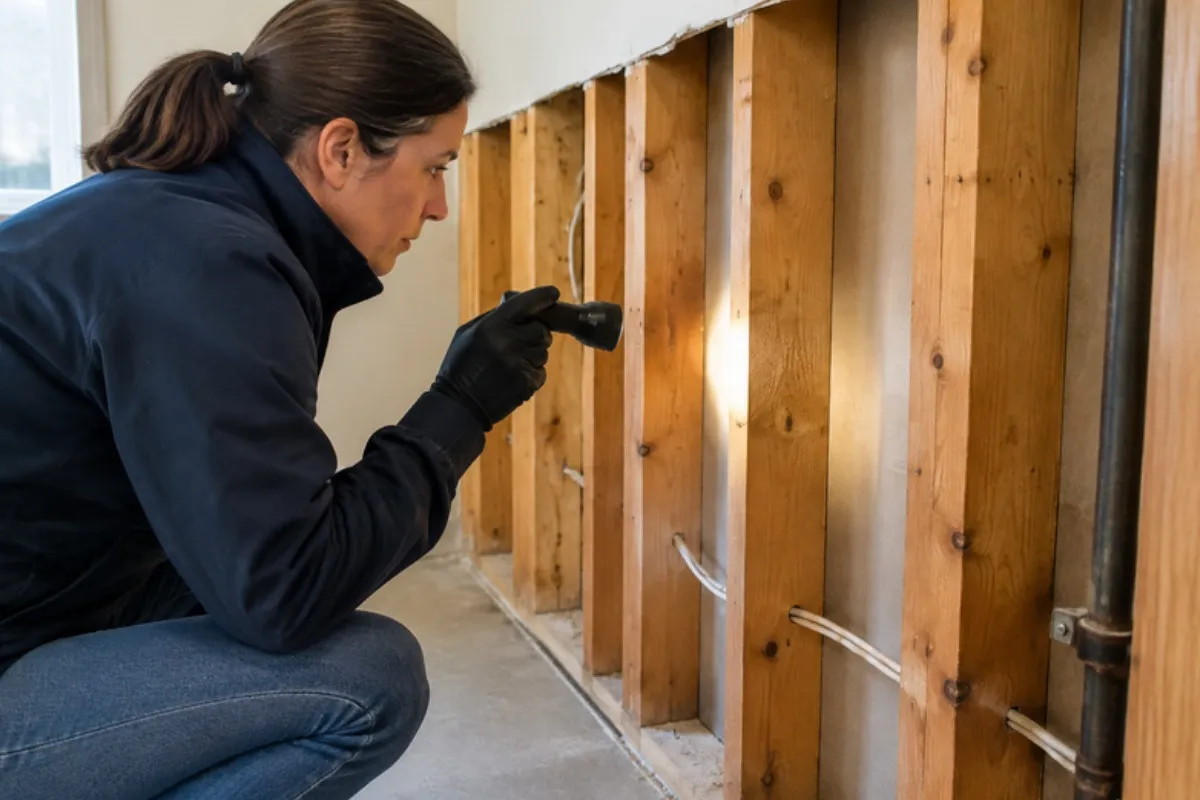
A failed clearance means more remediation, then another assessment. That is the system working. Don't let anyone close up walls, lay new flooring or paint over the area until you have a passed clearance report in hand. In homes that flooded during storms like Harvey or Imelda, gutted rooms often sit open for a while; a framing cavity that still reads wet will not pass and will grow mold again behind fresh drywall. Rebuilding work afterward may need a permit, so check with the Houston Permitting Center.
The paperwork you keep
Within 10 days after the project stop date, the remediation contractor must give you before-and-after photos and a Certificate of Mold Damage Remediation (CMDR), a Texas Department of Insurance form signed by both the consultant and the contractor. If the consultant finds the underlying cause was fixed, the certificate says so. For a residential property, the CMDR can help keep an insurer from making an adverse underwriting decision based on past mold damage; it is not a promise of coverage. If you sell, you must give the buyer every CMDR issued for the property in the previous five years.
About cost
Because Texas separates assessment from remediation, expect to pay two companies. Ask the consultant up front whether the post-remediation visit and any samples are included in the protocol price or billed separately. For reference, Angi's Houston cost data puts typical inspection and testing at $355-$563.
Post-Remediation Clearance Testing questions from Houston homeowners
Can the remediation company do its own clearance test?
I had mold removed but never got a CMDR. What now?
Does passing clearance mean the mold won't come back?
How long should I keep clearance records?
Related mold services in Houston
Post-Remediation Clearance Testing in nearby cities and towns
Harris County
Fort Bend County
Montgomery County
Brazoria County
Galveston County
Liberty County
Sources
- TDLR: Mold Assessors and Remediators FAQs
- TDLR: Consumer Mold Information Sheet (pdf)
- Tex. Occ. Code 1958.151: Scope of Work Analysis
- 16 Tex. Admin. Code 78.150: Certificate of Mold Damage Remediation
- TDLR: License Search
- EPA: Mold Information Slideshow (testing and sampling)
- Houston Permitting Center: Building Code Enforcement
- Angi: Mold inspection and testing cost in Houston, TX
Last updated: